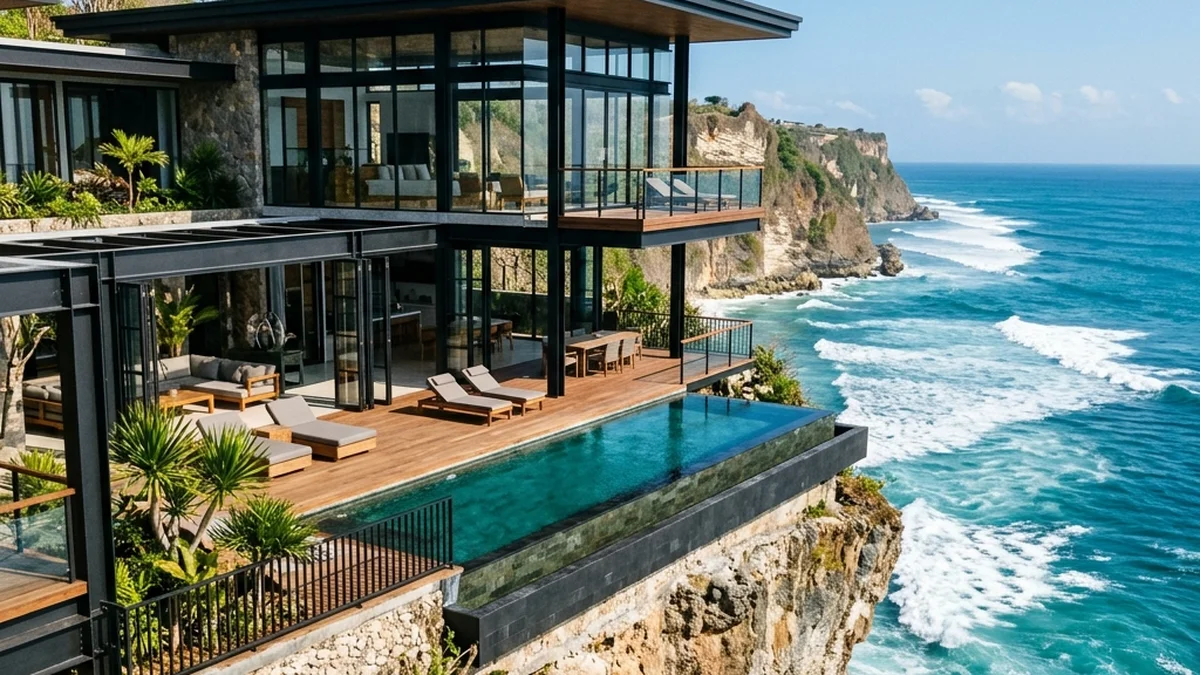
Describe exposure conditions as well as the address
Explain whether elements are enclosed, exposed, or near frequently wet areas. Environmental conditions guide corrosion protection choices. Add photos and room functions. Do not specify protection solely from an approximate distance to the coast without reviewing actual conditions with the relevant specialists.
Connect appearance with inspection access
Owners may conceal steel behind cladding for a cleaner appearance. Before deciding, ask how it will be inspected later. Record access panels and the work needed to open them. This reveals the maintenance implications of architectural choices, especially in guest or customer areas.
Discuss wet areas with the right team
Show gutters, roof joints, planted areas, and elements exposed to water from building activities. Discuss more than steel color. Ask designers and relevant parties how interfaces are coordinated, and ensure answers are recorded in the contractor’s working documents.
Assign responsibility after occupation
For villas and rental buildings, construction and maintenance teams may differ. Assign responsibility for coating documents and condition reports. Include recommended checks in operational plans. Maintenance frequency and actions should follow building conditions and relevant guidance rather than an unreviewed standard schedule.
Keep decision records for future changes
Original documents explain the intended conditions when future owners add coverings, change drainage, or install equipment. Store change records with drawings to make maintenance questions traceable. For coastal projects in Bali, prepare exposure and use information before requesting structural steel quotations.
Further reading
Related questions
Key Facts You Should Know.
Does paint color indicate the level of protection?
No. Color does not describe the complete protection system, surface preparation, or suitability for the conditions of use.
When should maintenance planning be discussed?
During design, particularly where elements will be concealed or difficult to access after occupation.
Technical Journal Exploration
Explore Related Structural Engineering Guides
Deepen your understanding of structural steel standards, precision fabrication methods, and building engineering in Bali.