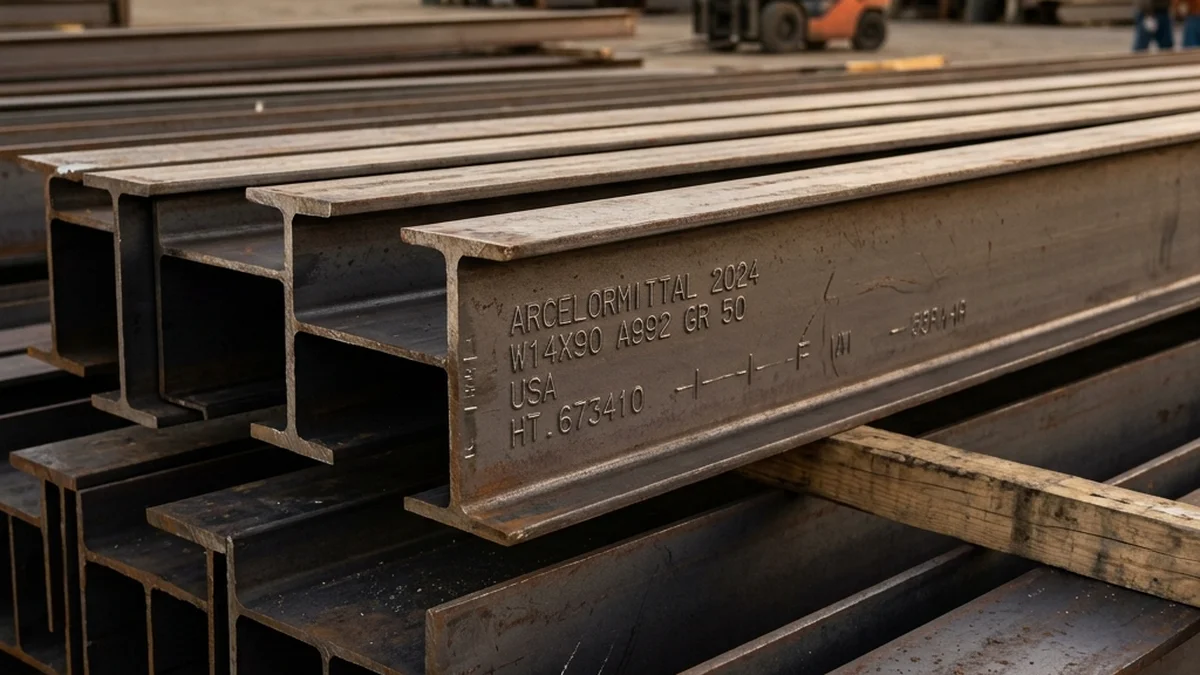
Read the full section designation
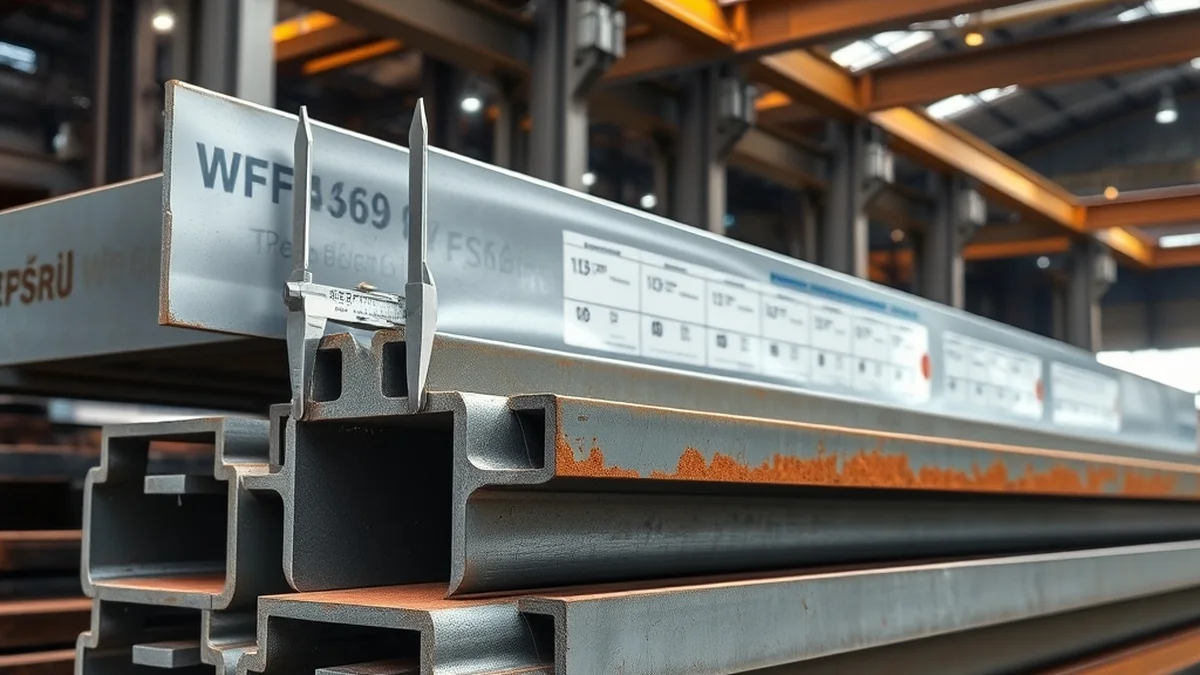
Section data includes depth, flange width, web thickness, flange thickness, and weight per length. Match quotation terminology with the referenced catalog and specification. Similar generic names may describe different components. Request explicit sections and grades so procurement follows the design documents.
Separate product terminology from structural decisions
Whether an element serves as a column or beam is not determined solely by the name WF or H-Beam. Designers review its role, span, connections, and other design demands. Owners can begin discussions with space functions and intended use rather than guessing section sizes.
Compare quotations on the same basis
Check equivalent drawings, grades, dimensions, and quantities. Ask whether splice plates, bolts, fabrication, coatings, and installation are included. Material unit prices do not describe installed costs. Start with a scope list to explain differences through actual specifications and work.
Further reading
Related questions
Key Facts You Should Know.
Are H-Beams always columns and WF sections always beams?
That is not a universal rule. Section use follows calculations and the planned structural system details.
Can a section be replaced with one that looks similar?
Replacement requires designer review and approval. Similar appearance does not establish equivalent section or material properties.
Technical Journal Exploration
Explore Related Structural Engineering Guides
Deepen your understanding of structural steel standards, precision fabrication methods, and building engineering in Bali.