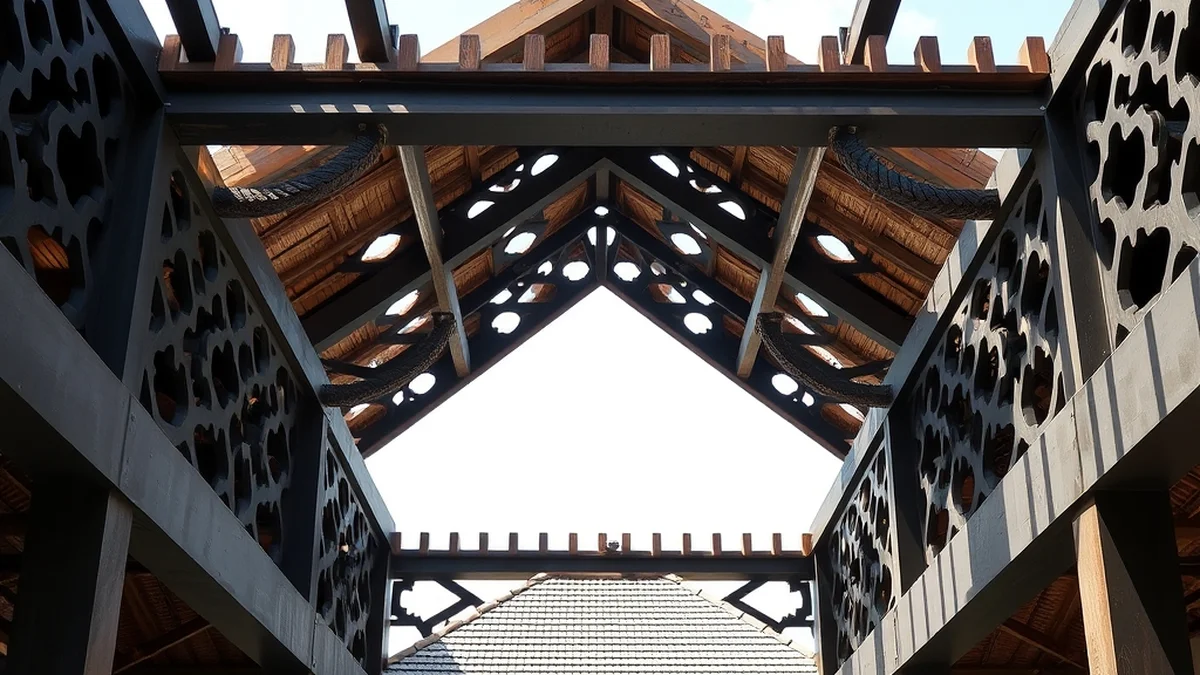
A castellated beam is made by cutting and rejoining a section web to produce a deeper section with web openings.
1. What distinguishes a castellated beam?
A castellated beam is made by cutting and rejoining a section web to produce a deeper section with web openings. Cellular beams use circular openings. Final geometry follows the design; the depth increase and finished weight are not one fixed ratio for every product.
2. Benefits and limits
A deeper section can improve bending stiffness, while openings can help coordinate services. However, openings also introduce design checks beyond those for a solid-web section. A suitable span cannot be selected solely from the parent section size or a generic recommendation table.
3. Structural checks to discuss
Design considers bending, shear, behavior around openings, web-post stability, lateral restraint, deflection, and stiffeners. Concentrated loads and connections may require special details. AISC Design Guide 31 addresses failure modes and design examples for castellated/cellular beams rather than a universal safe span.
4. Fabrication and services coordination
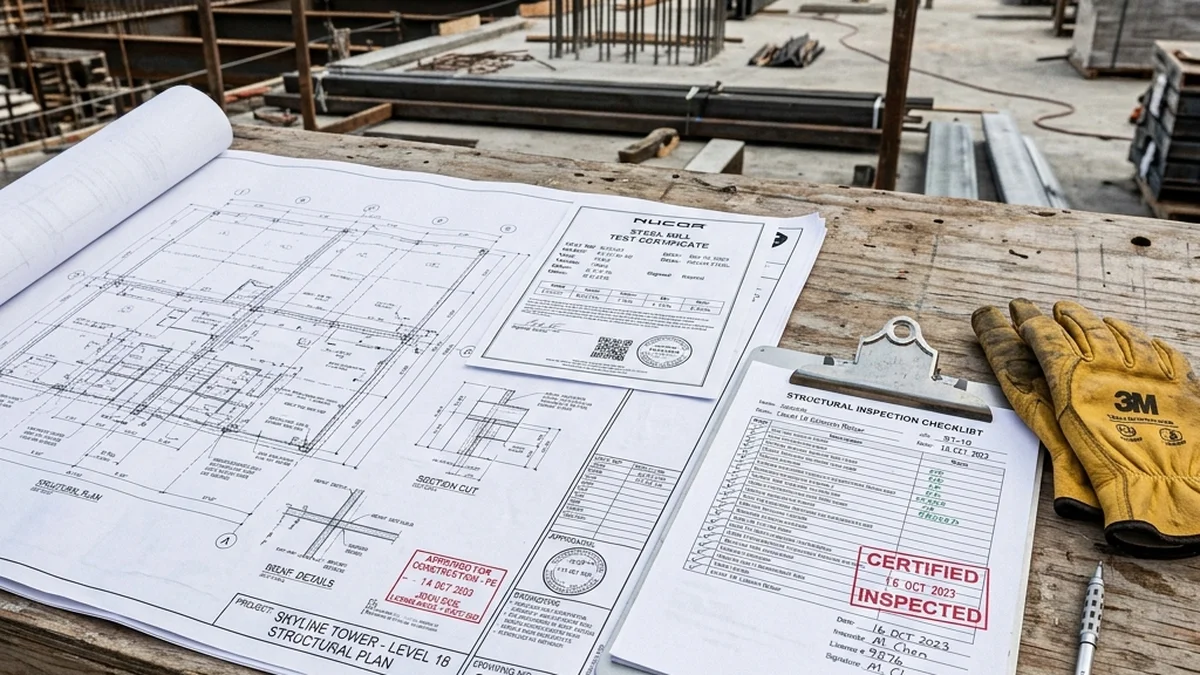
Shop drawings should control the cut pattern, opening geometry, welds, tolerances, and agreed inspections. Coordinate pipework and ducts before production. Do not enlarge openings or cut the web on site without designer review.
5. Preparing a Bali project brief
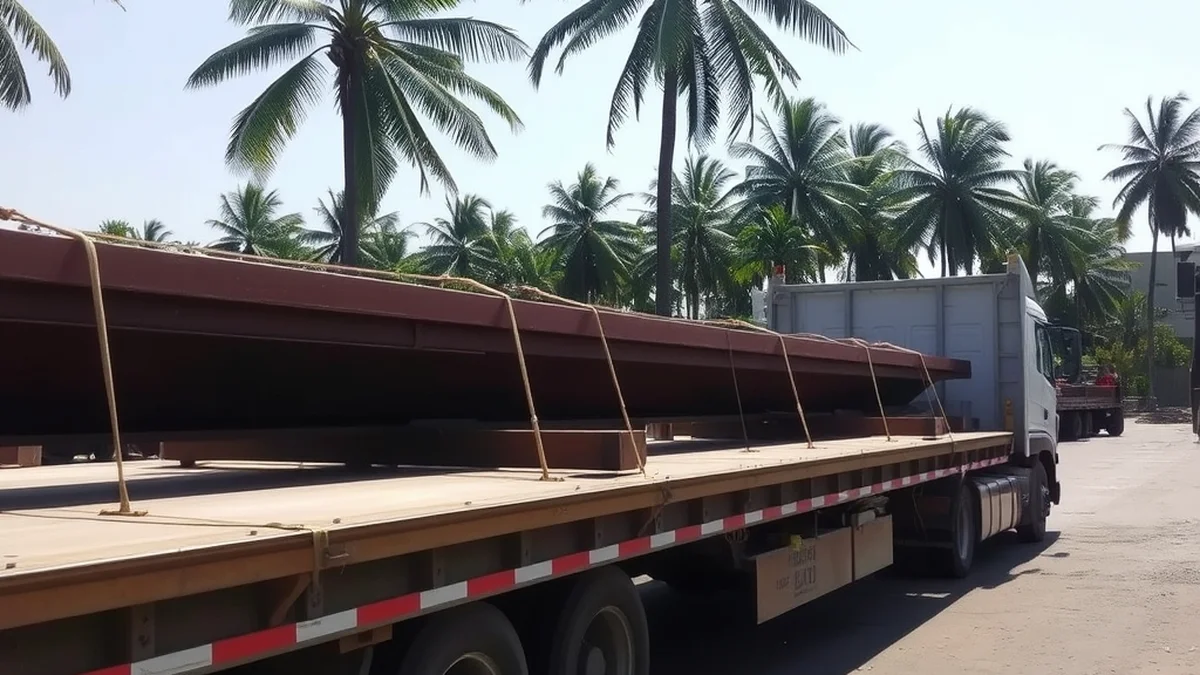
Describe the use, desired span, roof/floor loads, services, headroom, access, and exposure. Compare alternatives through the design and installed scope, including fabrication, transport, erection, coating, and maintenance.
Project questions
Can these details be used directly for any project?
No. Sections, connections, methods, and inspection criteria must follow the project design, specified standard editions, and relevant product data.
Technical references
Technical Journal Exploration
Explore Related Structural Engineering Guides
Deepen your understanding of structural steel standards, precision fabrication methods, and building engineering in Bali.