Confirm the route and arrival point
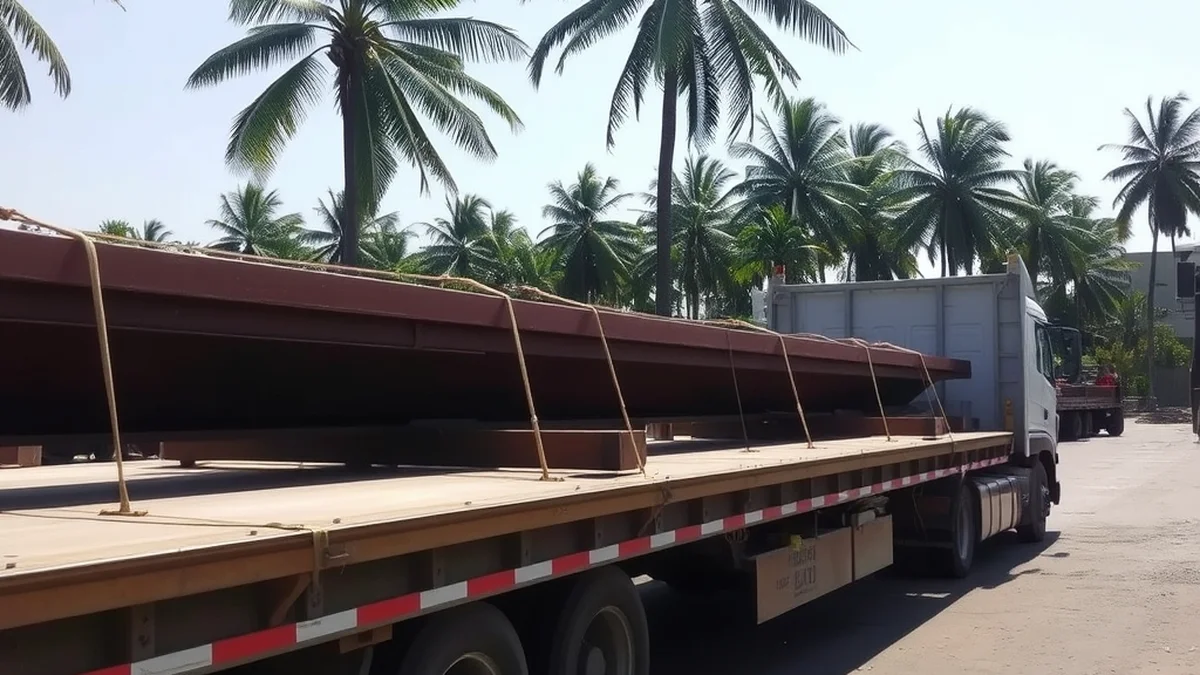
Share the exact location, access photos, and details of the gate to be used. Report any changes to fences or road arrangements before departure. Delivery access is part of structural steel execution. The transport provider and project team should assess vehicle requirements. Owners should avoid promising that a vehicle can enter before the necessary checks are complete.
Align schedules with receiving readiness
Decide who receives the departure notice and who will be on site. Discuss receiving hours and other activities taking place that day. If the site is shared, make sure the information reaches the manager. A delivery schedule should not be held by one person when access, receiving, and execution involve several parties.
Use easily matched component lists
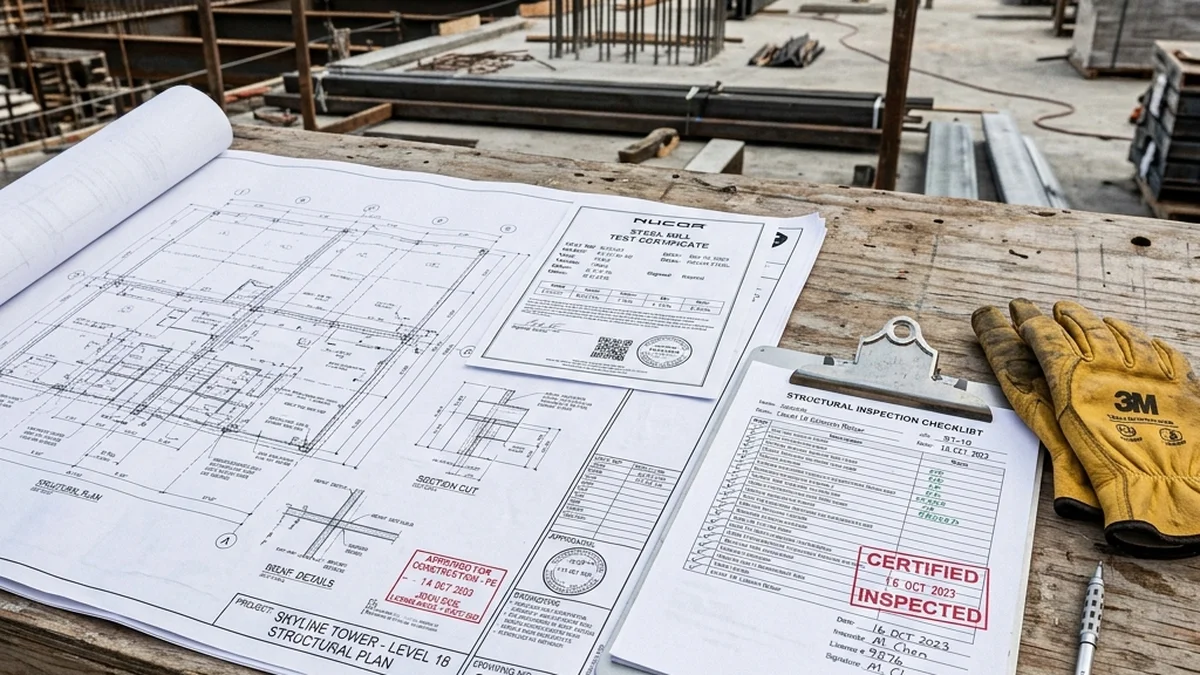
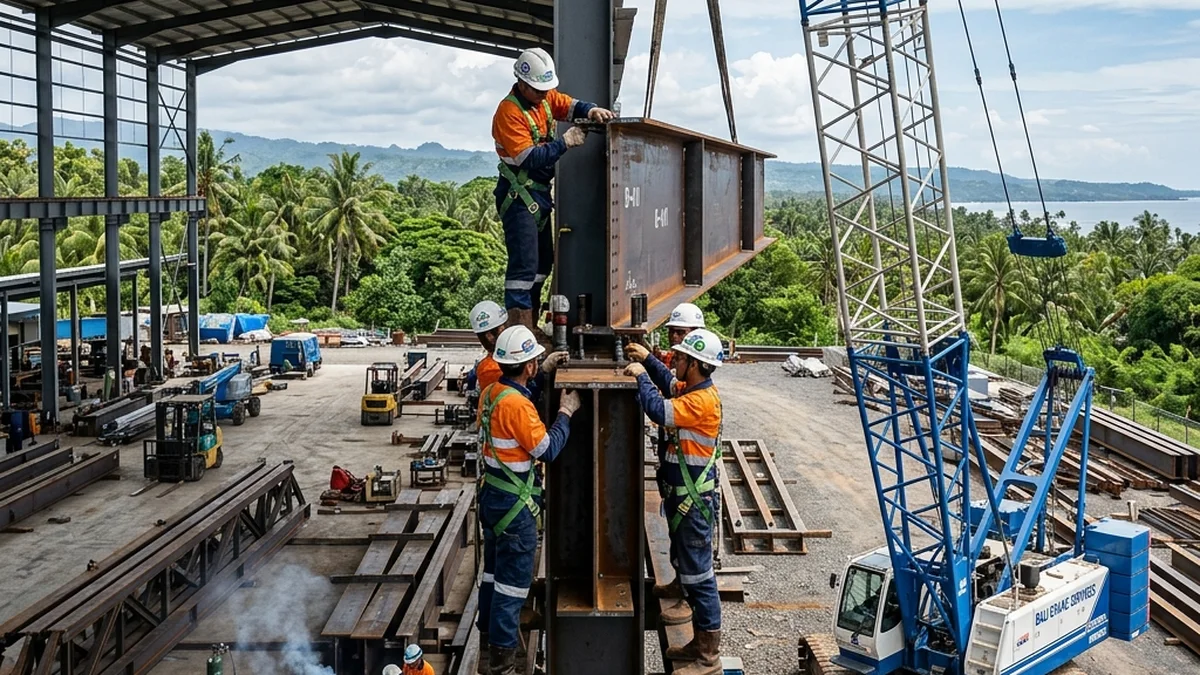
Request a list of goods or components included in the delivery according to the project procedure. Component labels connect arriving items to fabrication documents. During receiving, record quantity or identification differences through the agreed process. Do not assume that similar-looking components are interchangeable; direct questions to the team familiar with the drawings and work labels.
Record conditions without making technical decisions yourself
If coating damage, deformation, or another issue is visible, document it with photos and the component identity. Report it to the responsible party before use. Receiving records support follow-up discussions but are not a structural adequacy assessment. Repairs or decisions to use the component must follow review and approval based on the observed condition.
Prepare for changes to the plan
Deliveries may need rescheduling when sites are unready or activities change. Agree communication routes and updates to dates, receiving sequences, component lists, and area readiness. Record changes so workshop and site teams share one plan. Avoid uncommunicated changes discovered only when vehicles arrive.
Further reading
Related questions
Key Facts You Should Know.
Who selects delivery vehicles and unloading equipment?
Relevant specialists decide based on components, access, site conditions, and construction plans. Owners provide known requirements and conditions.
What should be done if a component arrives in questionable condition?
Document its identity and condition, then report it for review before use. Do not decide on structural repairs yourself.
Technical Journal Exploration
Explore Related Structural Engineering Guides
Deepen your understanding of structural steel standards, precision fabrication methods, and building engineering in Bali.